Understanding Mountain Trekking
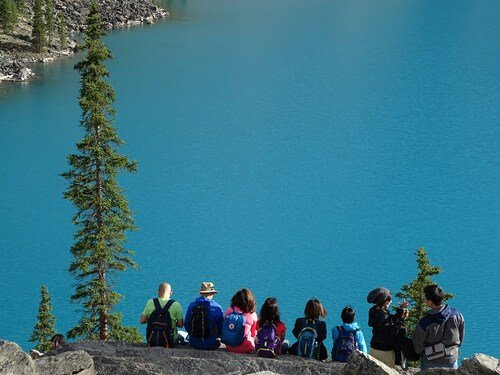
Mountain trekking, often characterized by challenging trails and scenic vistas, refers to a multi-day hiking experience typically undertaken in rugged terrains. This adventurous pursuit goes beyond a simple hike, incorporating aspects such as elevation changes, varying weather conditions, and exposure to diverse wildlife. Trekking not only offers breathtaking views, but it also serves as an opportunity for physical and mental rejuvenation, making it a compelling choice for many outdoor enthusiasts.
Engaging in mountain trekking comes with numerous benefits. Physically, it enhances cardiovascular health, builds endurance, and strengthens muscles, especially in the legs. Navigating uneven terrain forces trekkers to use various muscle groups, which in turn promotes better overall health. On a mental level, spending time in nature has been shown to reduce stress and improve mood. The meditative quality of trekking allows individuals to connect with their surroundings, fostering a sense of peace and well-being.
It is crucial for adventure enthusiasts to distinguish between trekking and hiking. While both activities involve walking in nature, trekking typically implies a longer duration and more challenging conditions compared to hiking. Trekking often requires careful planning, appropriate gear, and a solid understanding of the trail ahead. A well-prepared trekker should be aware of potential risks such as altitude sickness, changing weather, and navigation challenges, as these factors can significantly impact the trek experience.
Understanding the basics of mountain trekking is essential for anyone eager to embrace this exhilarating journey. By recognizing the unique elements of trekking, individuals can prepare adequately, ensuring a safe and rewarding adventure in the mountains. With the right mindset, gear, and information, trekkers are better equipped to enjoy the rewards this thrilling outdoor experience has to offer.
Essential Gear for Mountain Trekking
Mountain trekking is an exhilarating activity that requires careful preparation, especially when it comes to selecting the right gear. The essential gear can be categorized into footwear, clothing, backpacks, navigation tools, and safety equipment, each playing a crucial role in ensuring a successful and enjoyable trek.
First and foremost, appropriate footwear is vital. Trekking boots should provide excellent traction, support, and protection, especially for uneven terrains. Look for boots that fit snugly but allow enough room for your toes. Waterproof options are also ideal for wet conditions. Select footwear tailored to the difficulty level of your trek; more rugged trails may require heavier, more robust boots, while lighter trails can accommodate lighter shoes.
In terms of clothing, layering is key. Choose moisture-wicking base layers to keep sweat at bay, insulating mid-layers for warmth, and a waterproof outer layer to shield against wind and rain. Fabrics like merino wool and synthetic materials are great choices for active movement. Additionally, consider the temperature variations you may encounter during different times of the day and ensure you have adequate options.
A reliable backpack is essential for carrying your gear. Look for a pack that fits comfortably and has enough capacity to hold all necessary items without overloading. Features such as hydration reservoirs, multiple compartments, and adjustable straps for balance can enhance your trekking experience.
Navigation tools like maps, compasses, or GPS devices are critical for safe trekking, especially in remote areas. Make sure you understand how to use these tools effectively, as they can guide your path and help you avoid getting lost. Finally, safety equipment should never be overlooked. Carrying a first aid kit, a multi-tool, and a flashlight can prepare you for unexpected situations that may arise on your journey.
Planning Your Trek: Routes and Safety Considerations
Embarking on a mountain trekking adventure necessitates meticulous planning to ensure both enjoyment and safety throughout the journey. One of the foremost aspects of preparation is identifying your desired route. Various trails are available, each with differing levels of difficulty and scenic offerings. Therefore, it is essential to research the specific trails you intend to take, as this will help determine the duration, elevation gain, and technical challenges involved. Utilize various resources including guidebooks, trekking websites, and community forums to gather comprehensive information about potential routes.
Understanding trail difficulties is pivotal, as some trails may be labeled as easy while others can demand advanced skills and fitness levels. Assessing your physical condition and experience will aid in choosing a route that aligns with your abilities, thus enhancing your overall enjoyment and minimizing risks. Furthermore, keeping abreast of weather conditions is of paramount importance in mountain trekking. Weather can change rapidly; therefore, checking forecasts prior to and during your trek is vital. Prepare for potential scenarios such as rain, snow, or colder temperatures, and pack accordingly.
Effective packing is another crucial element of successful trekking. Carrying the right gear, including high-quality trekking shoes, adequate clothing, hydration systems, and nutritional supplies, facilitates comfort and safety. It is also imperative to be prepared for health emergencies, such as altitude sickness; therefore, ascending gradually, staying hydrated, and being aware of your body’s signals should be emphasized. Finally, ensuring you have a comprehensive first-aid kit from the onset of your journey is indispensable. This kit should include items tailored to injuries or ailments specific to mountain environments. By taking these preparatory steps, trekkers can embark on their adventures with confidence and peace of mind.
Best Practices and Etiquette on the Trail
When embarking on a mountain trekking adventure, it is crucial to adhere to best practices and etiquette that safeguard both the environment and the enjoyment of fellow trekkers. One of the foremost guidelines is the ‘Leave No Trace’ principles, which advocate for minimal impact on the natural landscape. By following these principles, trekkers help preserve ecosystems and maintain the beauty of trails for others to enjoy. This includes properly disposing of waste, respecting wildlife, and avoiding the creation of new trails that can erode soil and disrupt habitats.
Trail etiquette, particularly in shared spaces, is essential. Trekkers should yield to those who are ascending, as climbing is more challenging than descending. Additionally, maintaining a respectful noise level and spacing can enhance the experience for everyone. When encountering others on the trail, a friendly nod or greeting fosters a positive atmosphere and promotes camaraderie among outdoor enthusiasts.
Interacting with local wildlife requires caution and respect; it is important to observe animals from a distance and avoid feeding them, as this can alter their natural behaviors and diets, resulting in detrimental effects on both the wildlife and the ecosystem. Trekkers should also refrain from picking plants or disturbing natural features, as these actions can threaten the delicate balance of the environment.
Furthermore, environmental conservation plays a vital role in responsible trekking. Engaging in practices such as joining local clean-up efforts or advocating for conservation initiatives ensures that trails can be accessed and enjoyed sustainably. Incorporating sustainable practices into trekking not only enhances the enjoyment of your adventure but also helps preserve these stunning natural places for future generations. Remember that each trekker has a role in protecting the trails, wildlife, and ecosystems that make mountain trekking rewarding and enriching.
About the Author